
WAYSIDE
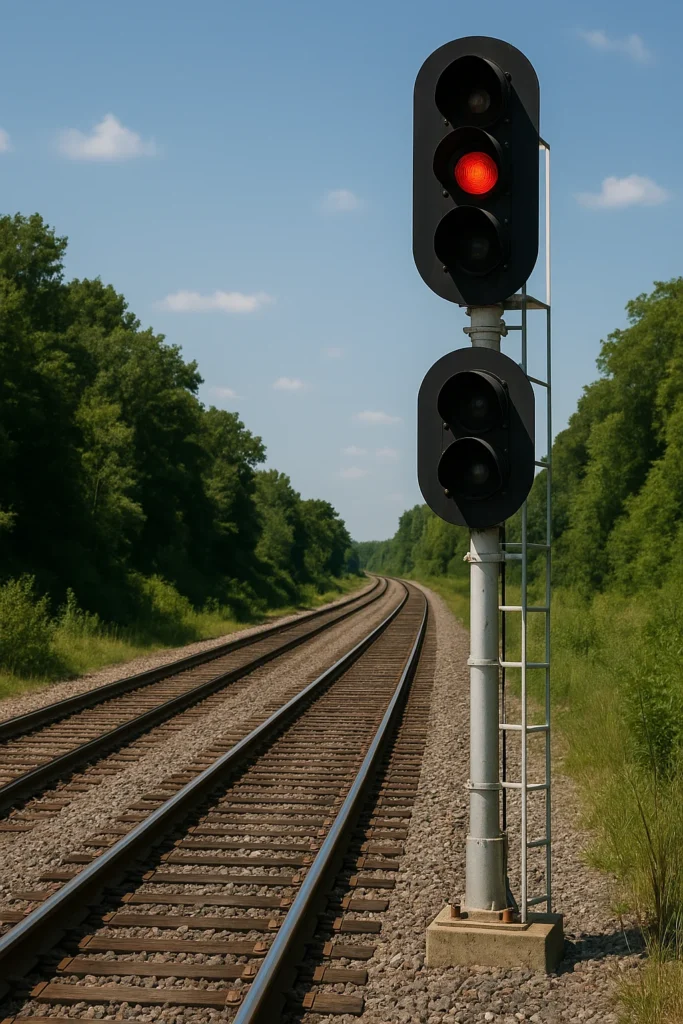
Midwest Signal Design is the trusted partner for Class I railroads seeking wayside systems that maximize train velocity without ever compromising safety. We translate the strict requirements of the FRA, GCOR, and each client’s engineering handbook into
construction-ready deliverables—circuit plans, aspect charts, and signal line maps—crafted in both MicroStation and AutoCAD. Our experienced team covers every location type: control points, intermediates, diamond interlockers, spring switches, electric lock applications, railroad-to-railroad interfaces, and hazard detector integrations, rigorously adhering to client drafting standards and submittal workflows for seamless integration into any project environment.
Whether your territory operates on legacy relays or the latest solid-state platforms, we deliver end-to-end solutions for ElectroLogIXS, Microlok II/Vi-Pro, VHLC, EL-1A, and more. Our new work, construction, and true as-constructed packages are engineered to pass the most demanding reviews, ensuring full FRA compliance, operational safety, and streamlined field installation. Backed by 60 years of leadership, we provide custom, complete, and compliant solutions for every scenario.
HIGHWAY GRADE CROSSINGS
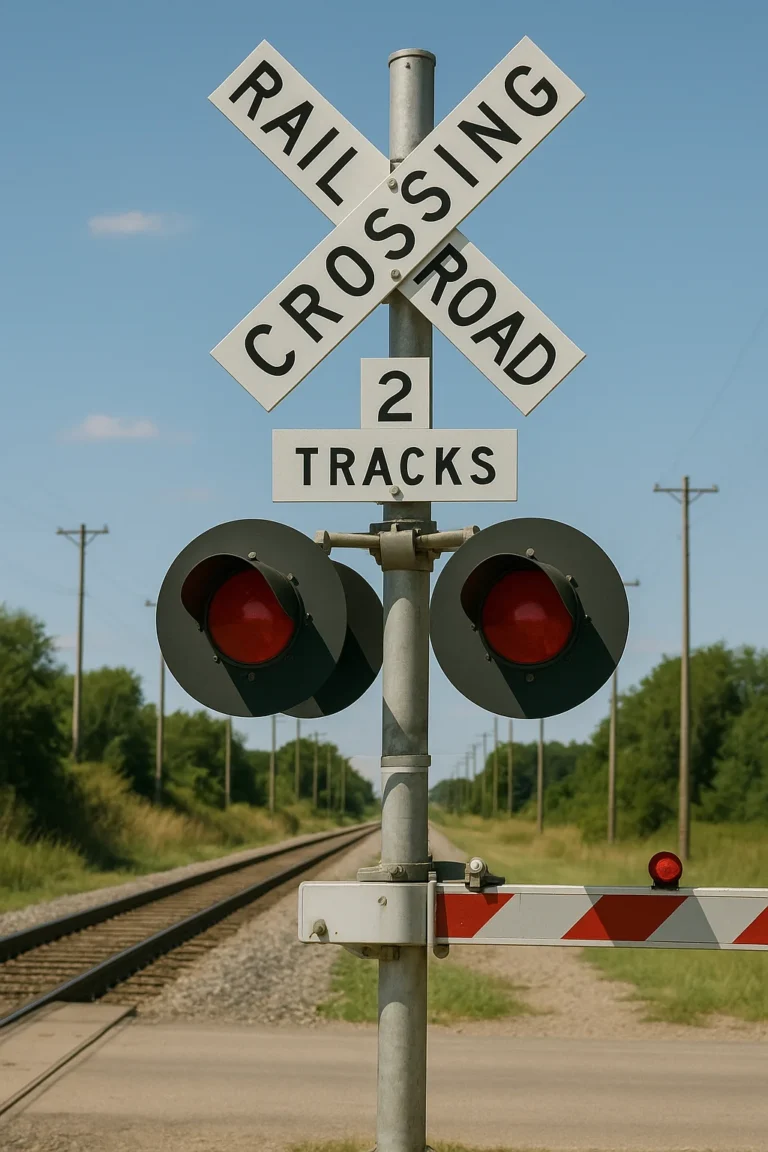
Public safety sits at the heart of every grade crossing we design. Midwest Signal Design delivers full-service crossing engineering—stand-alone or corridor-wide projects—aligned with FRA requirements and each railroad’s specific standards. We pair proven solid-state predictors, motion detection, vehicle loop technology, and EGMS exit gate monitoring to guarantee constant warning times, positive vehicle clearance, and fail-safe operation under all conditions. Our process includes rigorous calculations for approach distances, warning margins, and traffic-signal pre-emption, ensuring every installation is fully compliant and maintainable.
We provide the same exhaustive deliverables you expect from our wayside work: construction-ready circuit plans, island and approach diagrams, and fully indexed as-built records, each formatted to match the client’s conventions and digital workflows. Whether it’s two-quadrant crossings, complex four-quadrant or traffic signal pre-empted installations, or integrated corridor solutions tied to adjacent control points, our team delivers.
APPLICATION PROGRAMMING
With unmatched depth and experience in railroad signal programming, Midwest Signal Design transforms detailed signal maps, aspect charts, and location circuits into rigorously tested, binaries for ElectroLogIXS, Microlok I & II (ViPro), VHLC, and legacy EL-1A platforms. Through LogicStation, ALP, VALC, and Microlok compilers every application is written to each client’s standards and documentation rules then tested to ensure true fail-safe operation before deployment.
During commissioning, our engineers are available to provide on-site cutover support to guarantee customer acceptance. For PTC overlays, we produce and validate configuration sets for both Hitachi and KB Signaling hosts, ensuring seamless integration and regulatory compliance. Our software is ready for revenue service, making Midwest Signal Design the safest and most capable partner for your railroad’s critical control systems.
NON-VITAL COMMUNICATIONS & DISPATCH INTEGRATION
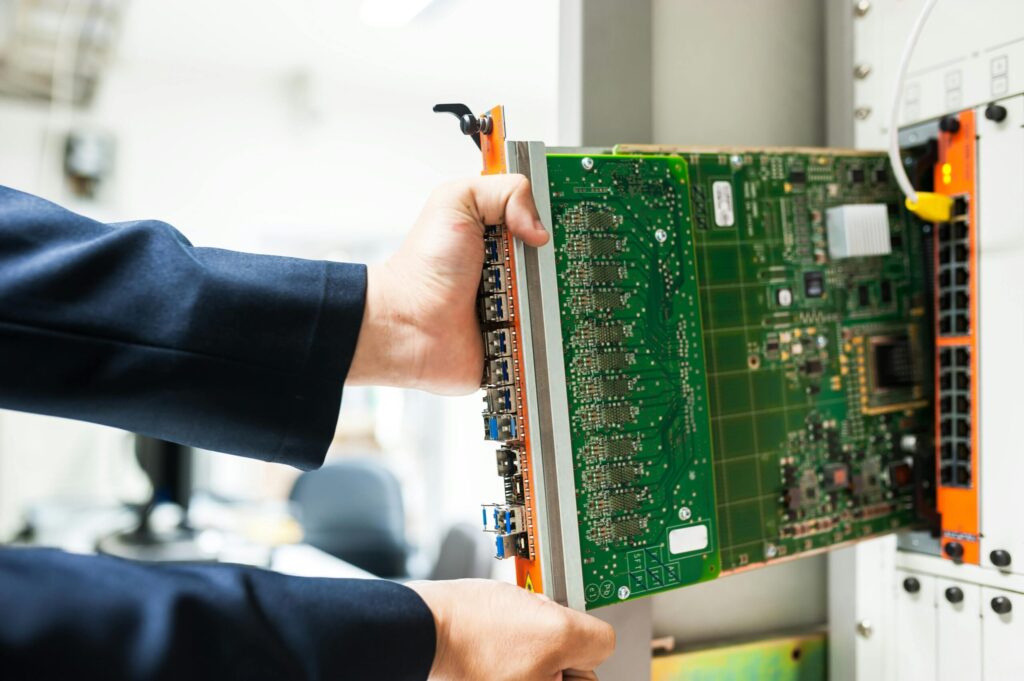
Midwest Signal Design’s Non-Vital department bridges the gap between field hardware and back-office dispatching, turning intricate signal logic into clear, reliable control data. Our engineers dissect circuit plans, aspect charts, signal maps, and both vital and non-vital code to build track-line drawings for CTC and PTC dispatch platforms. At every new control point we create detailed control-and-indication assignments, map them to the dispatch network, and specify surge-protected communications paths—fiber, microwave, or IP-radio—so operators receive instant, accurate feedback without compromising system integrity.
Beyond design, we manage the entire communications lifecycle: collecting radio coverage data for FCC permitting, standardizing control-point naming and numbering, maintaining document repositories, and coordinating change-control across all stakeholders. Our 24/7 on-call team stands ready to troubleshoot any issue—from dispatcher display anomalies to field-device timeouts. The result is a seamlessly integrated, non-vital layer that keeps trains moving efficiently and dispatchers fully informed.